

Pie Dough for Pre-Baked Pie Shells
A good pie crust takes a little patience, but very little hands-on time. Most of the process is simply allowing the dough to rest and chill, which helps develop a flaky, tender crust that’s easy to roll and less likely to shrink while baking.
If you have a food processor, this recipe comes together quickly. The combination of butter and vegetable shortening provides both flavor and flakiness, while keeping the dough easy to handle.
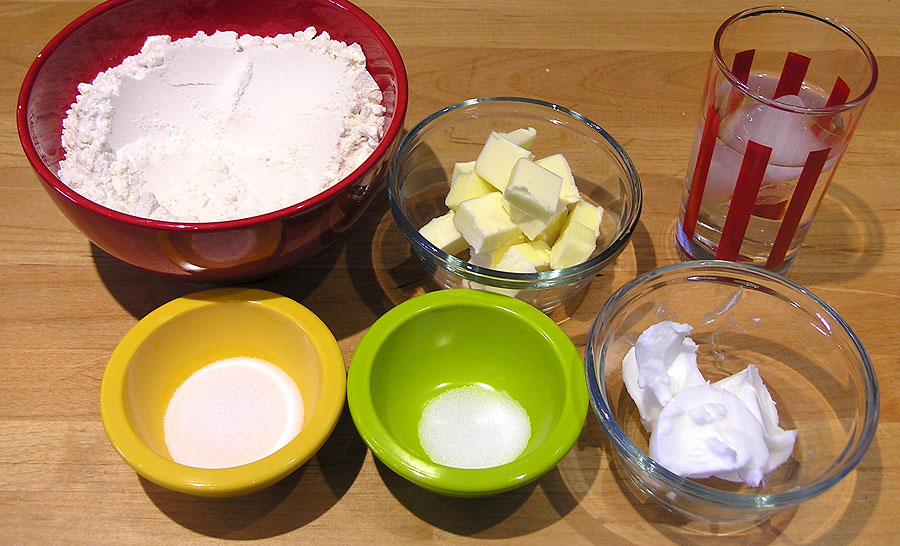
Below are the complete ingredients and step-by-step instructions. For this recipe you’ll need flour, salt, sugar, vegetable shortening, unsalted butter and ice water.
Combine the Dry Ingredients and Shortening

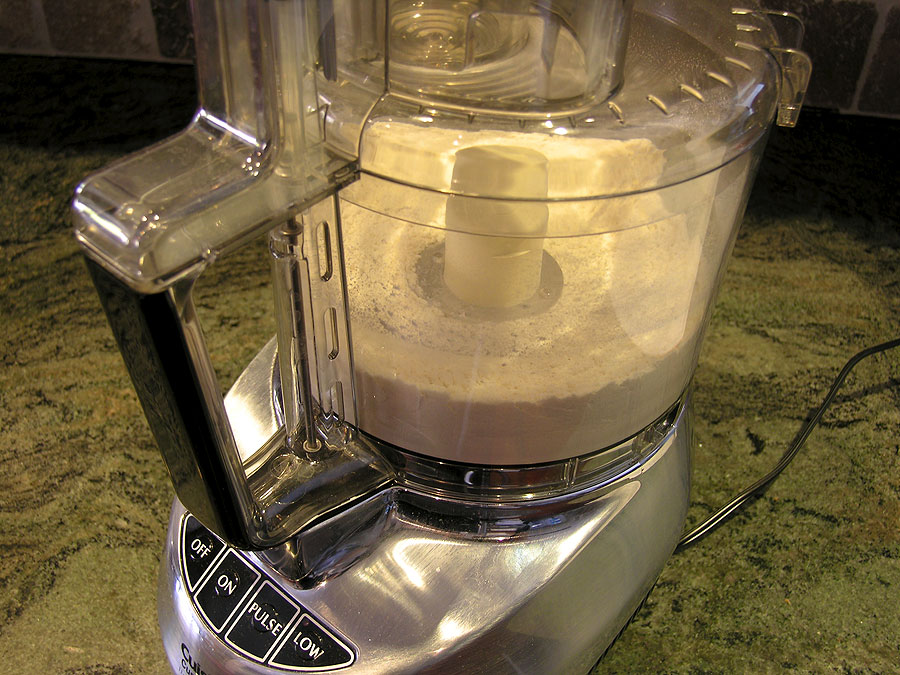
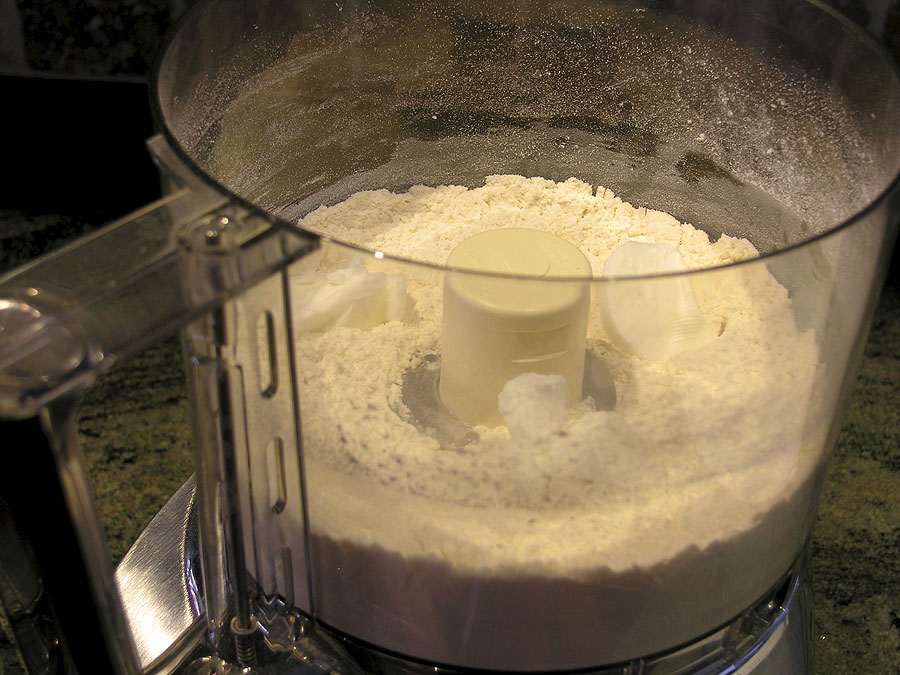

Pulse the flour, salt and sugar until combined. Add the shortening and pulse until the mixture resembles coarse sand.
Add the Butter and Ice Water
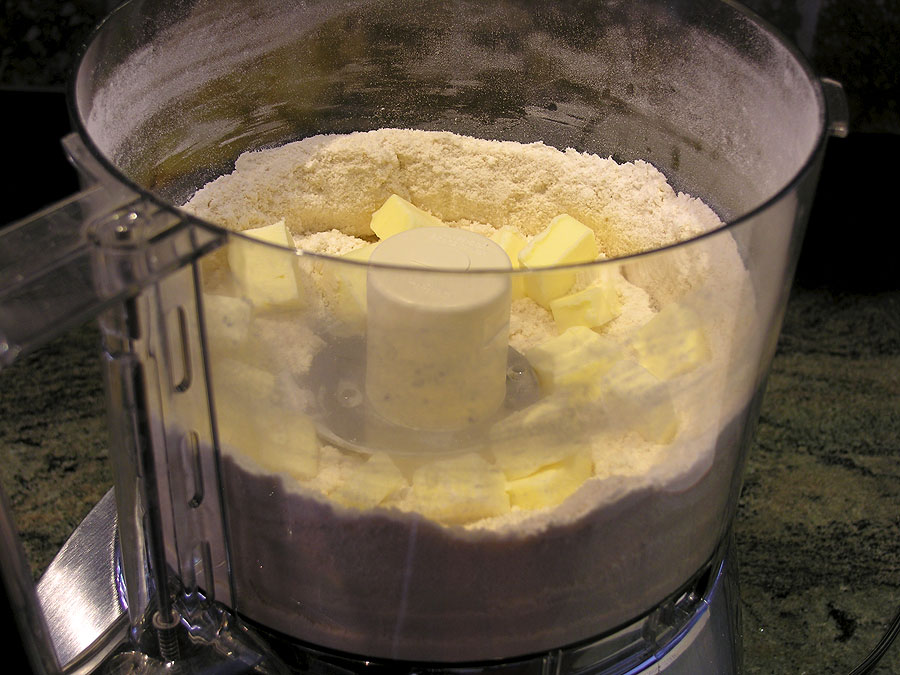
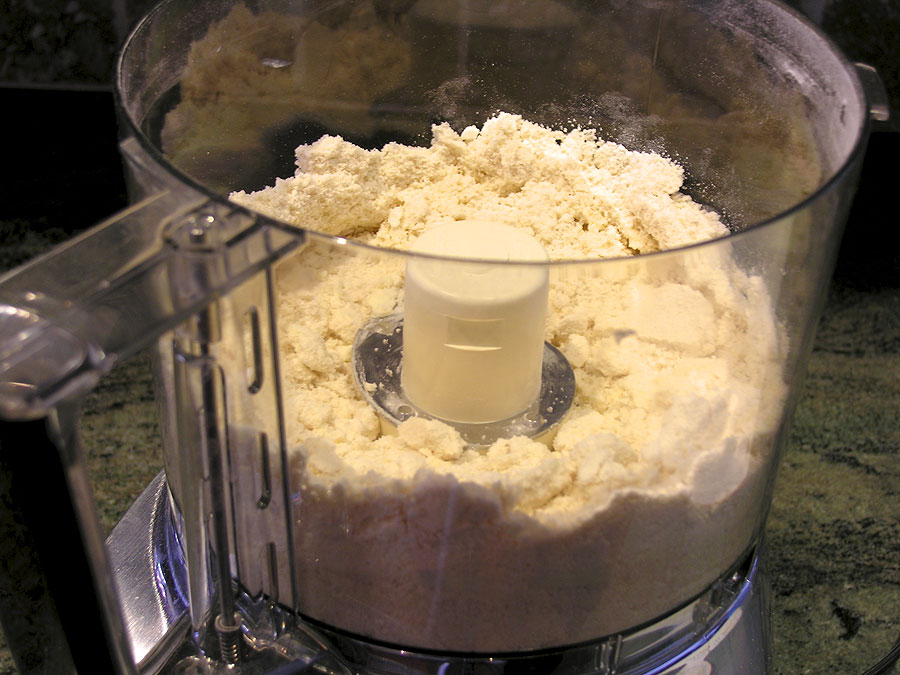
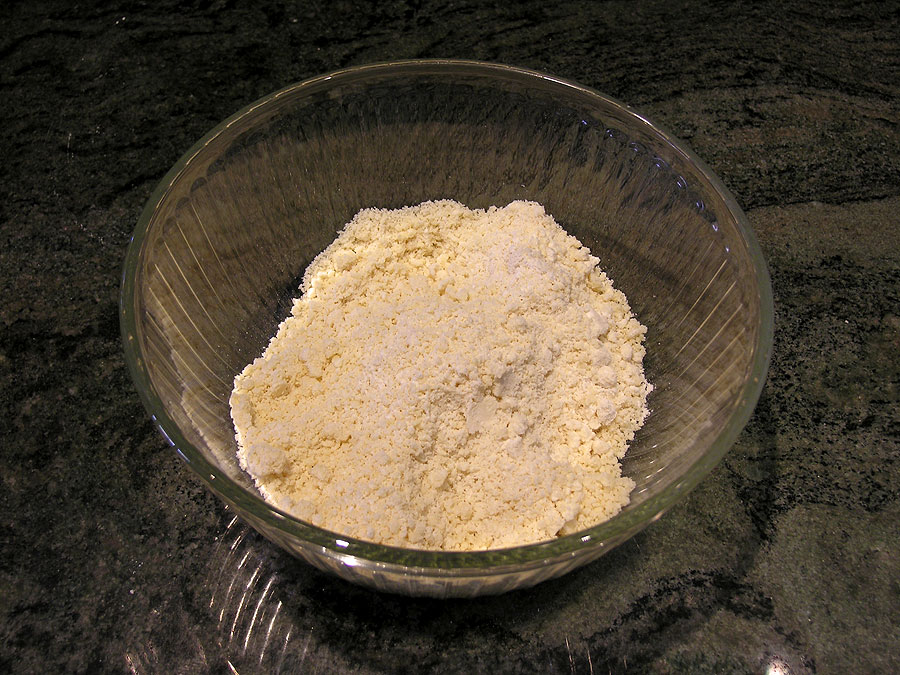

Add the butter and pulse until the mixture is pale yellow with pieces no larger than small peas. Transfer the mixture to a bowl and sprinkle four tablespoons of ice water over it.
Form the Pie Dough
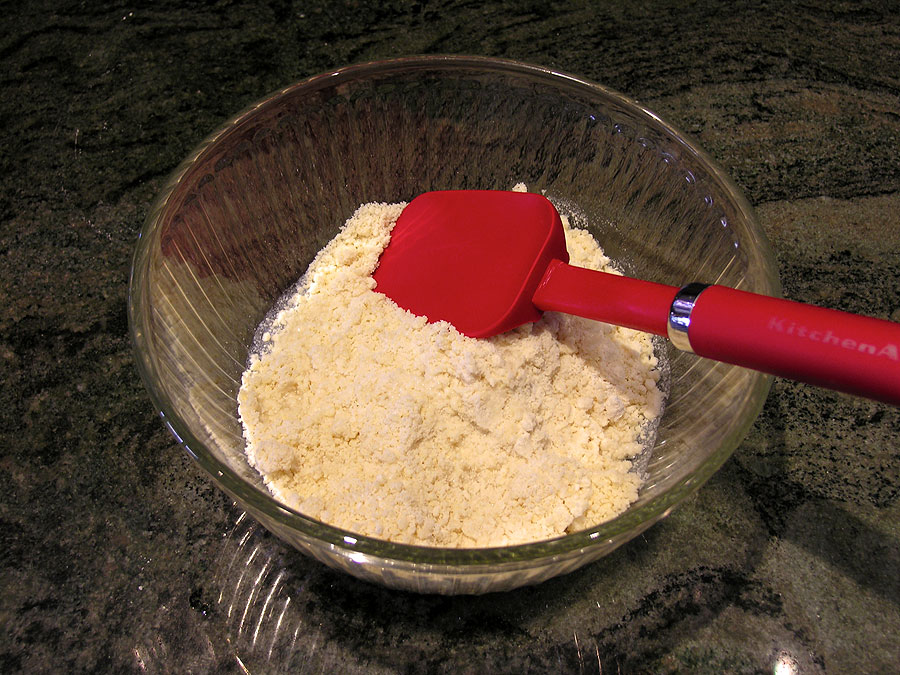
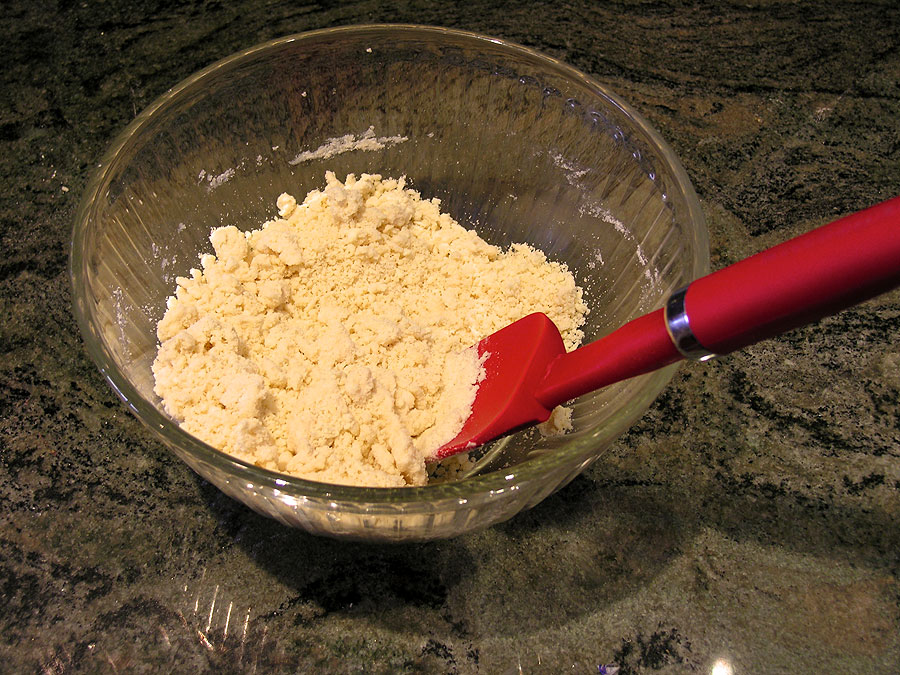
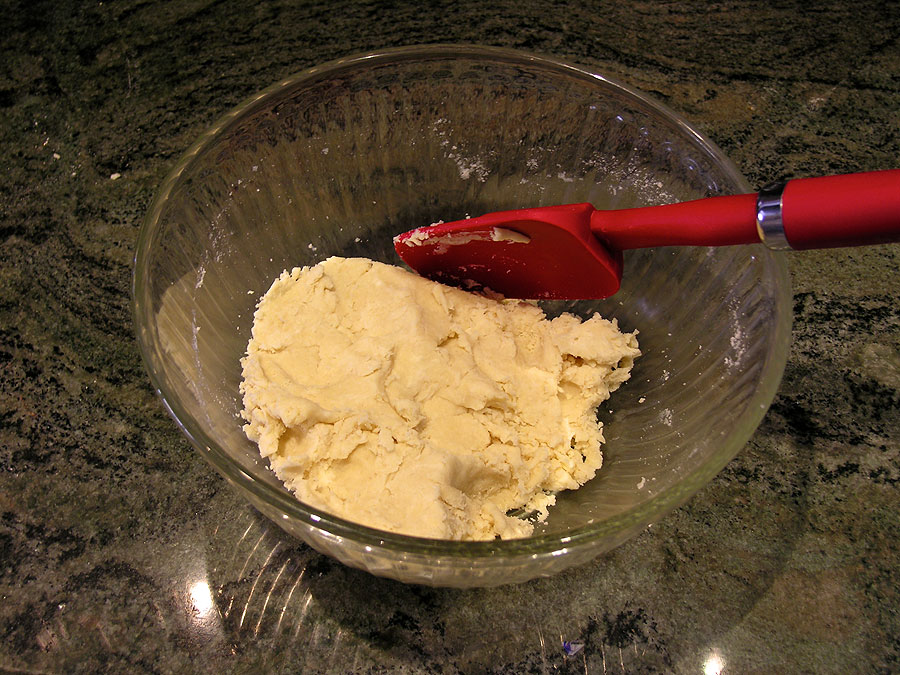
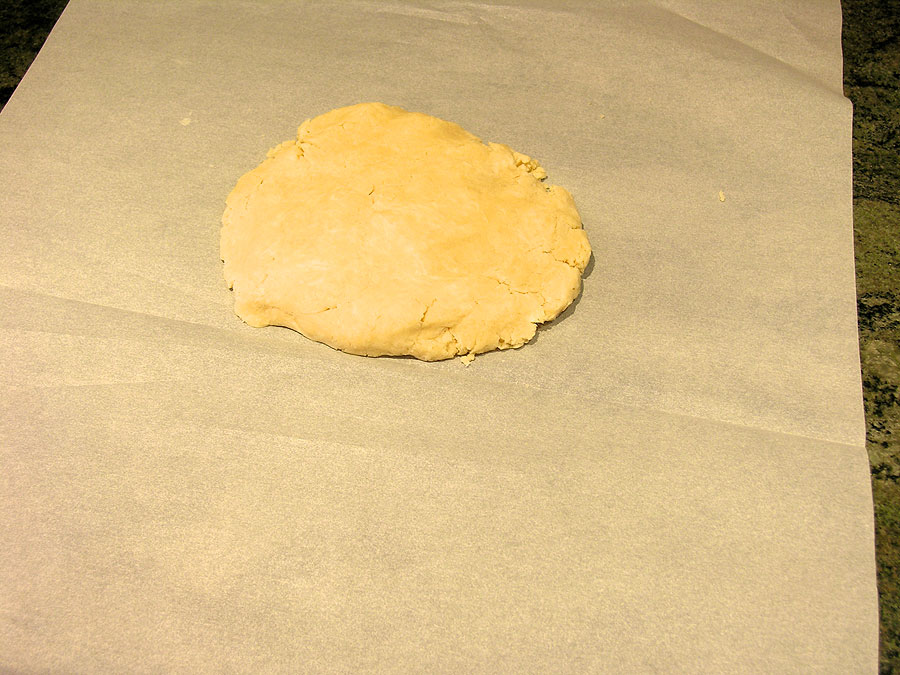
Use a rubber spatula and a folding motion to gently combine the dough. Press it together until it holds its shape, adding up to one additional tablespoon of ice water if necessary. Form the dough into a 4-inch disk.
Chill, Roll and Shape the Crust

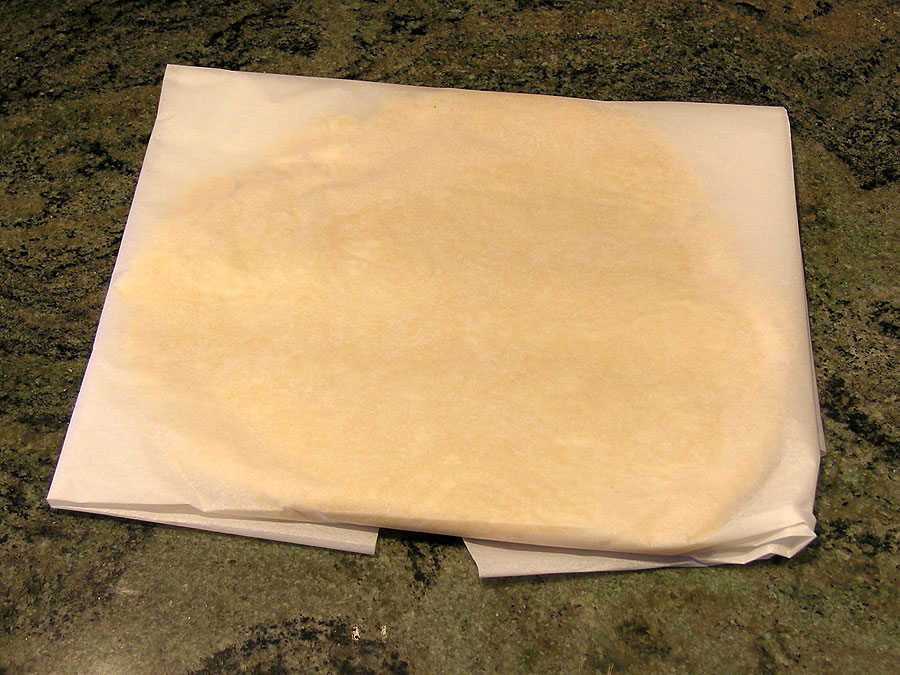
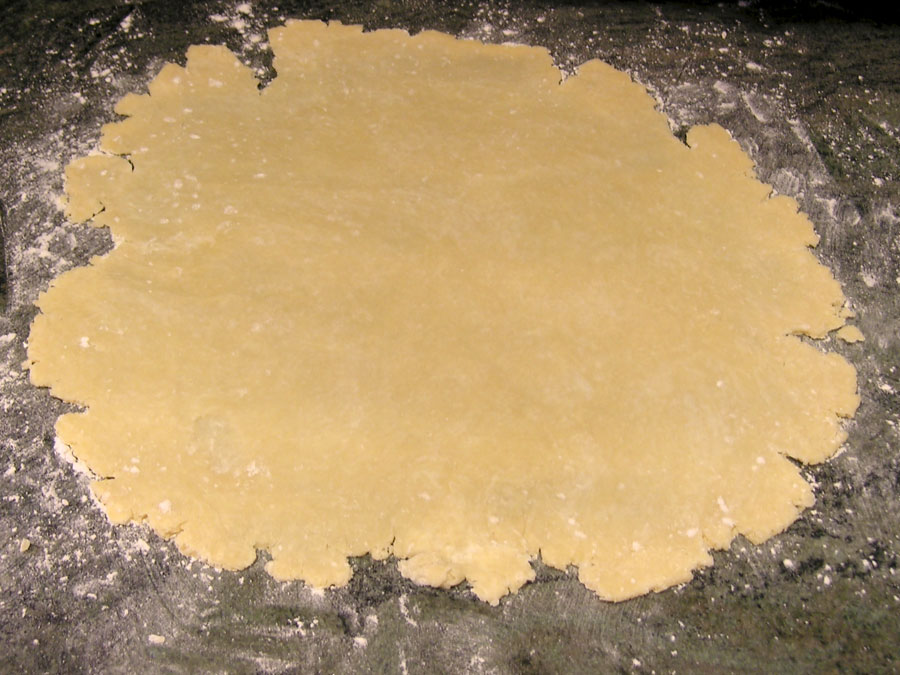
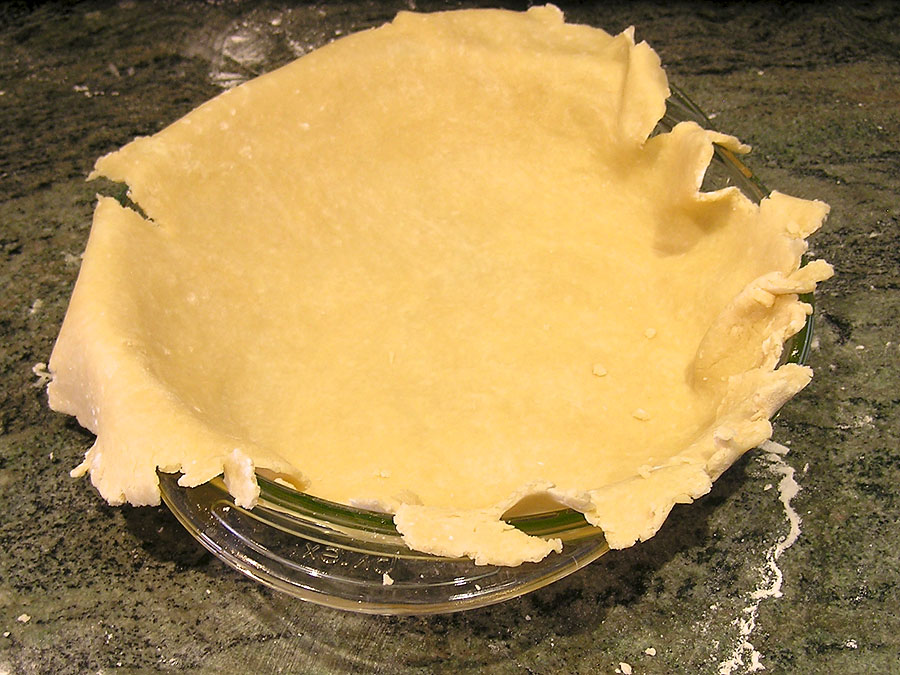

Wrap the dough and refrigerate for at least one hour. Roll it into a 12-inch circle and carefully fit it into a 9-inch pie pan. Trim the overhang, fold the edge underneath itself and flute or crimp as desired.
Chill the lined pan for about 40 minutes, then freeze it for at least 20 minutes before baking.
Blind Bake the Pie Shell
To blind bake, preheat the oven to 375°F (190°C). Line the frozen crust with parchment paper or aluminum foil and fill it with pie weights or dried beans. Bake for 25 to 30 minutes until the edges are lightly golden.
Remove the weights and continue baking for five to six minutes for a partially baked shell or about 12 additional minutes for a fully baked shell.
Pie Dough for a Pre-Baked Pie Shell
A flaky, tender single-crust pie dough made with butter and vegetable shortening, then chilled and blind baked before filling.
Ingredients
- 1 1/4 cups unbleached all-purpose flour, plus extra for rolling (177 grams)
- 1/2 teaspoon salt
- 1 tablespoon granulated sugar
- 3 tablespoons chilled vegetable shortening (42 grams)
- 4 tablespoons cold unsalted butter, cut into 1/4-inch cubes (57 grams)
- 4 to 5 tablespoons ice water
Instructions
- Combine the dry ingredients. Pulse the flour, salt and sugar in a food processor until evenly combined.
- Add the shortening. Pulse until the mixture resembles coarse sand.
- Add the butter. Pulse until the mixture is pale yellow and the butter pieces are no larger than small peas.
- Transfer the mixture. Pour it into a medium mixing bowl.
- Add the water. Sprinkle four tablespoons of ice water over the flour mixture.
- Fold the dough. Use a rubber spatula to gently fold and press the mixture together.
- Adjust the moisture. Add up to one additional tablespoon of ice water if the dough remains too dry to hold together.
- Form and chill the dough. Shape it into a 4-inch disk, wrap it securely and refrigerate for at least one hour.
- Roll the dough. On a lightly floured surface, roll the chilled dough into a 12-inch circle.
- Line the pan. Transfer the dough to a 9-inch pie pan and gently ease it into the bottom and corners without stretching it.
- Shape the edge. Trim the excess dough, fold the overhang underneath itself and flute or crimp the edge.
- Chill and freeze. Refrigerate the lined pan for approximately 40 minutes, then freeze it for at least 20 minutes.
- Preheat the oven. Heat the oven to 375°F (190°C).
- Line the crust. Cover the frozen shell with parchment paper or aluminum foil and fill it with pie weights or dried beans.
- Blind bake the crust. Bake for 25 to 30 minutes, until the exposed edge is lightly golden.
- Remove the weights. Carefully lift out the parchment or foil and pie weights.
- Finish baking. Bake for another five to six minutes for a partially baked shell or approximately 12 minutes for a fully baked shell.
- Cool as needed. Place the crust on a wire rack and cool according to the requirements of the pie filling.
Recipe Notes
- Keep the butter, shortening and water cold throughout the process. Cold fat creates steam during baking, which helps produce flaky layers.
- Do not process the butter until it disappears completely. Small visible pieces of butter contribute to the crust’s flaky texture.
- Add only enough water for the dough to hold together when pressed. Excess water can make the crust tough.
- Fold and press the dough rather than kneading it. Kneading develops gluten and can make pie crust firm instead of tender.
- Do not stretch the dough when fitting it into the pie pan. Stretched dough is more likely to shrink during baking.
- Chilling and freezing the shaped crust help the fat remain firm and reduce shrinkage in the oven.
- Use parchment paper or aluminum foil to hold the pie weights. Ordinary household plastic wrap should not be used for blind baking.
- Fill the lined shell completely with pie weights or dried beans so the sides remain supported while baking.
- Use the shorter final baking time when the crust will be filled and baked again.
- Use the longer final baking time when the finished filling will not require additional oven time.
- The dough can be refrigerated before rolling or frozen for longer storage when wrapped securely.
Pre-Baked Pie Shell FAQs
What is blind baking?
Blind baking means baking a pie crust before adding its filling. The crust is usually lined and weighted so it keeps its shape in the oven.
Why does this pie dough use both butter and shortening?
Butter provides flavor, while vegetable shortening contributes tenderness and makes the dough easier to handle.
Why must the ingredients remain cold?
Cold pieces of fat stay distinct in the dough and release steam as they bake, helping create a flaky crust.
How much ice water should I add?
Begin with four tablespoons. Add the fifth tablespoon only if the dough remains too dry to hold together when pressed.
Why is my pie dough crumbly?
It may need a small amount of additional ice water. Add water gradually because too much can make the crust tough.
Why is my pie crust tough?
The dough may have been overmixed, kneaded or made with too much water. Handle it only until it holds together.
Why did my crust shrink while baking?
The dough may have been stretched when placed in the pan, insufficiently chilled or not fully supported with pie weights.
What can I use as pie weights?
Commercial pie weights, dried beans or uncooked rice can be used over parchment paper or aluminum foil.
Should I partially or fully bake the pie shell?
Partially bake it when the filling will return to the oven. Fully bake it when adding a chilled or otherwise unbaked filling.
Can the pie dough be made in advance?
Yes. Wrap the dough securely and refrigerate it before rolling, or freeze it for longer storage.
Can I make the dough without a food processor?
Yes. Cut the shortening and butter into the dry ingredients with a pastry blender, two knives or your fingertips, taking care to keep the ingredients cold.
What equipment do I need for this recipe?
Recommended equipment: Rubber spatula (opens Amazon in a new tab), Rolling pin (opens Amazon in a new tab), Parchment paper (opens Amazon in a new tab), Food processor (opens Amazon in a new tab), Pie plate (opens Amazon in a new tab), Mixing bowl (opens Amazon in a new tab), Cooling racks (opens Amazon in a new tab), Blender (opens Amazon in a new tab).
As an Amazon Associate, I earn from qualifying purchases.
What is the estimated nutrition per serving?
Estimated nutrition per serving (1/8 piece): Calories: 184 calories; Carbohydrates: 18 g; Protein: 2 g; Fat: 12 g; Saturated Fat: 5 g; Unsaturated Fat: 5.5 g; Trans Fat: .9 g; Cholesterol: 15 mg; Sodium: 145 mg; Fiber: .45 g; Sugar: 2.1 g.


 Jeff’s Baking Blog