

Homemade Lemon Curd
Lemon curd was a new discovery for me. I had no idea what it was or how good it could be.
This version has an intensely bright lemon flavor and a relatively soft consistency. It works well as a cake or cupcake filling, a pastry topping or, if you are like me, eaten directly from a spoon.
There are several ways to prepare lemon curd. This recipe combines a basic formula with a technique in which the butter, sugar and eggs are mixed before heating. Coating the egg proteins with butter and sugar can help the mixture cook more evenly and reduce the likelihood of lumps.
The same technique can be adapted to other citrus fruits or strained fruit purées. The amount of sugar may need to be adjusted depending on the acidity and strength of the fruit. Freshly squeezed juice provides the best flavor.
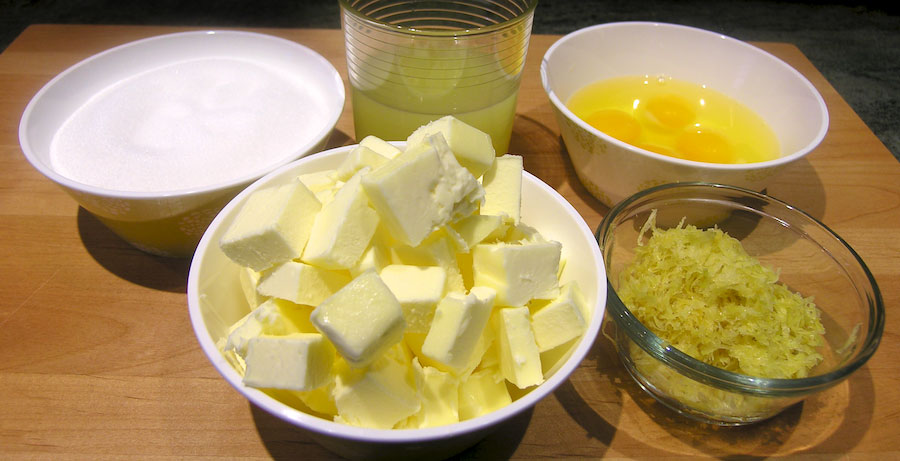
The complete recipe and instructions are at the end of this post. You will need granulated sugar, unsalted butter, eggs, freshly squeezed lemon juice and finely grated lemon zest.
Cream the Butter and Sugar
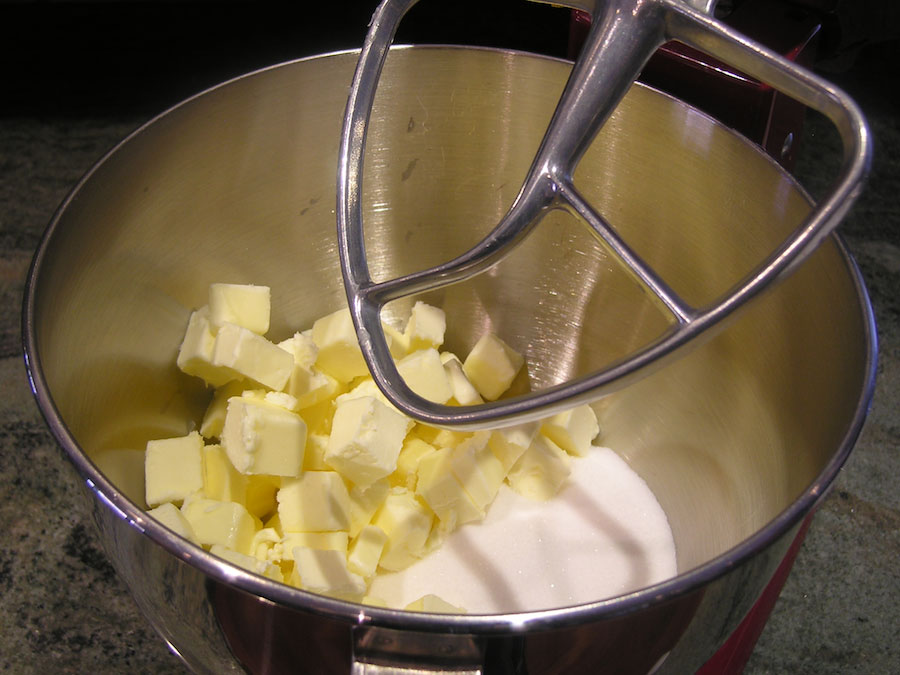
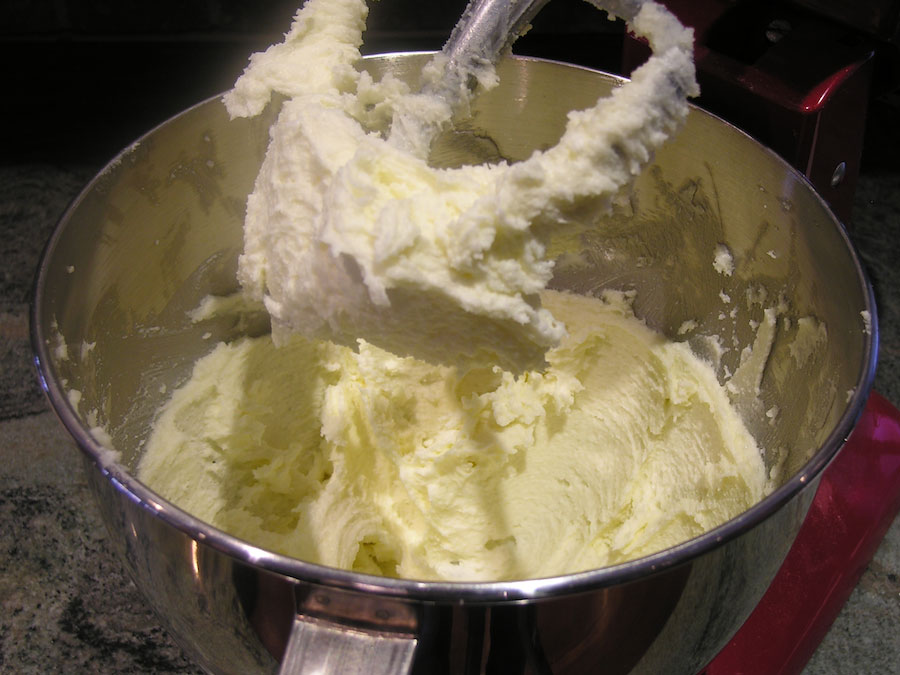
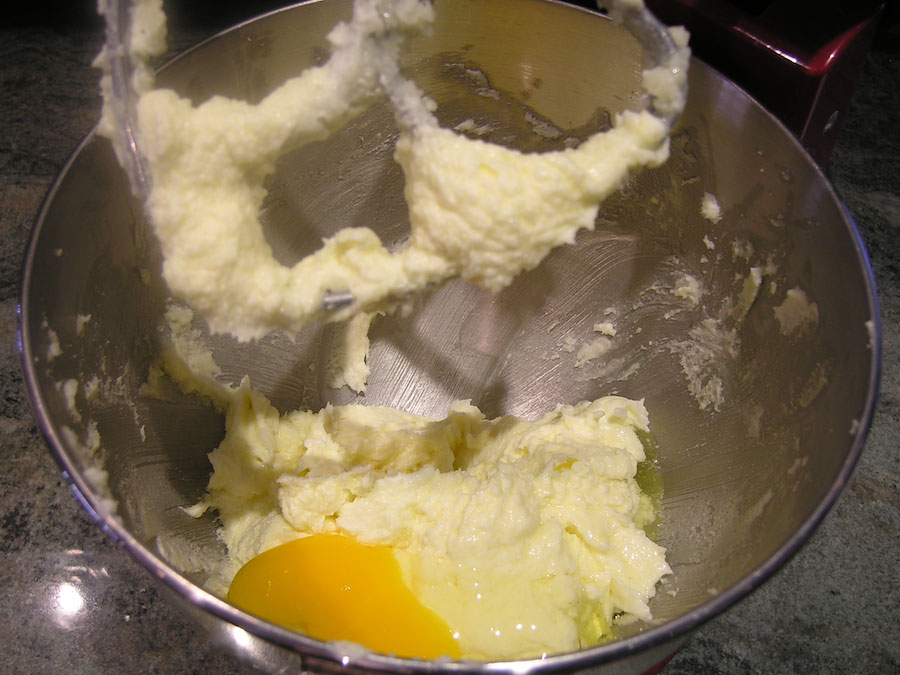

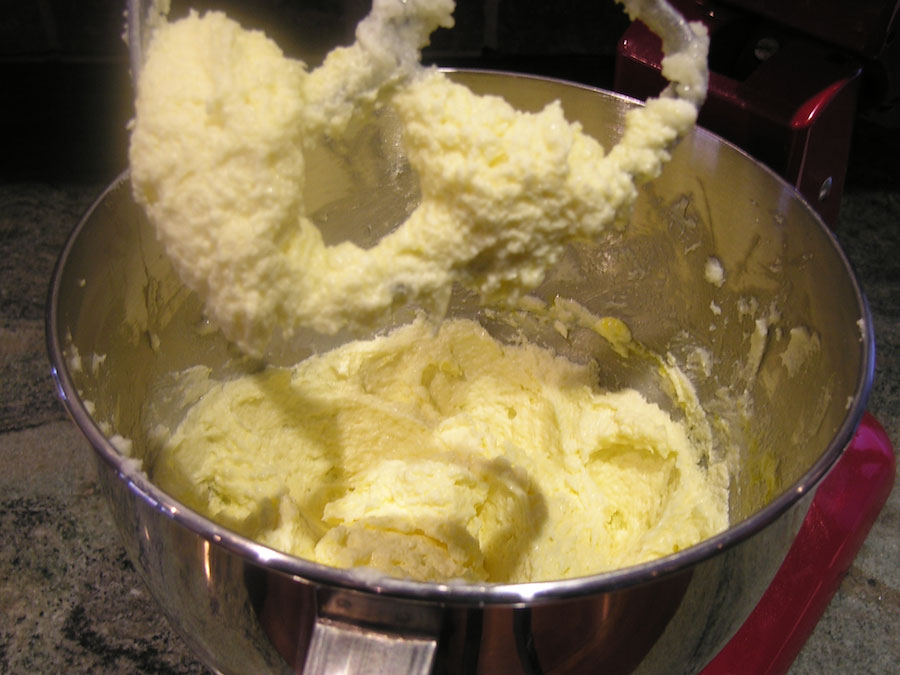
Using a mixer fitted with the paddle attachment, cream the softened butter and sugar until light and fluffy.
Add the eggs slowly, one at a time, mixing until each egg is incorporated before adding the next.
This method combines the eggs with the butter before cooking. The mixture may still appear slightly uneven, but it should become smooth once it is heated.
Add the Lemon Juice and Zest
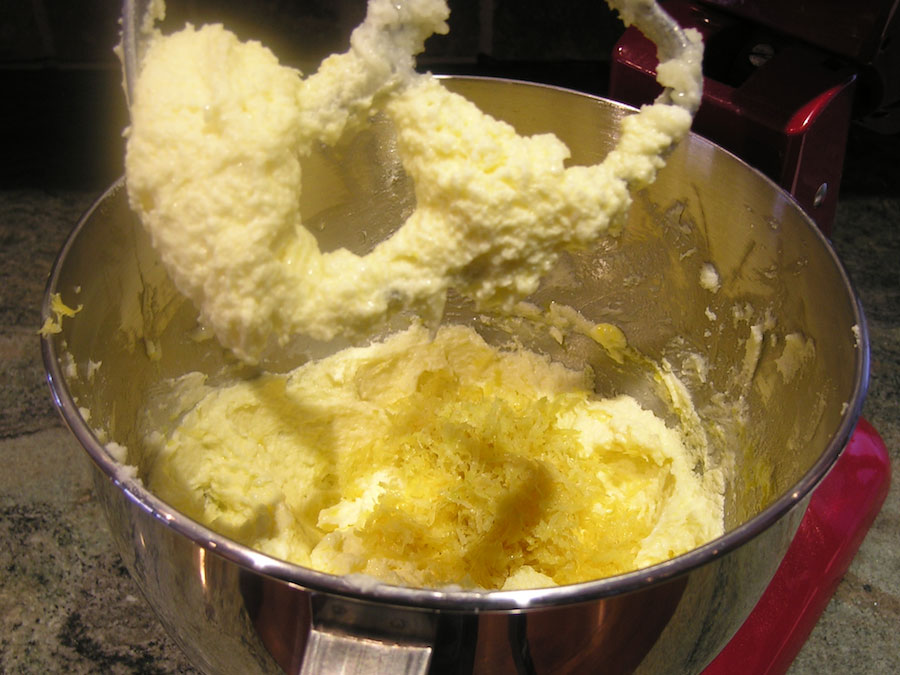
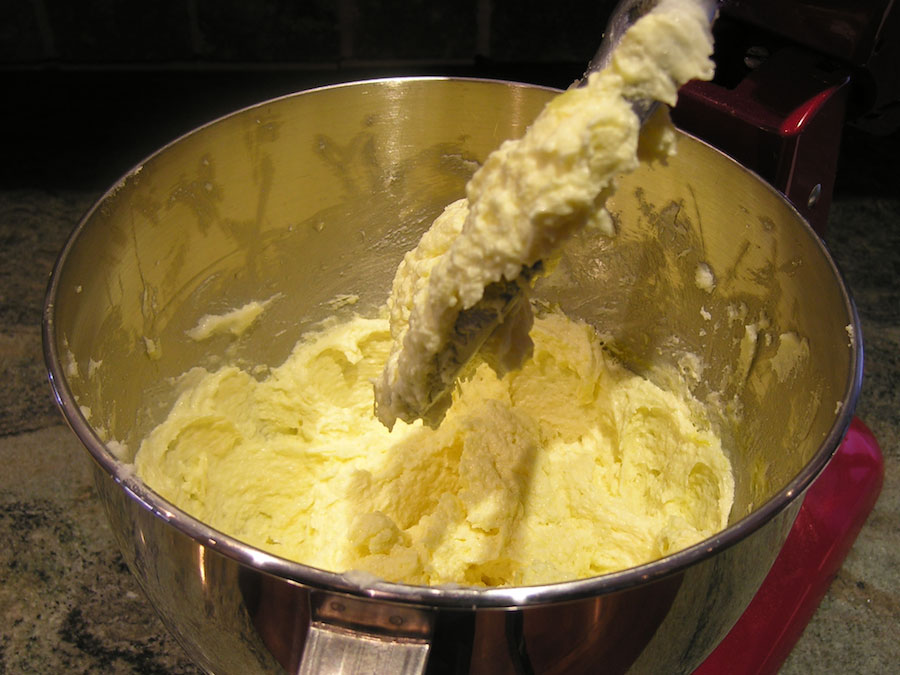
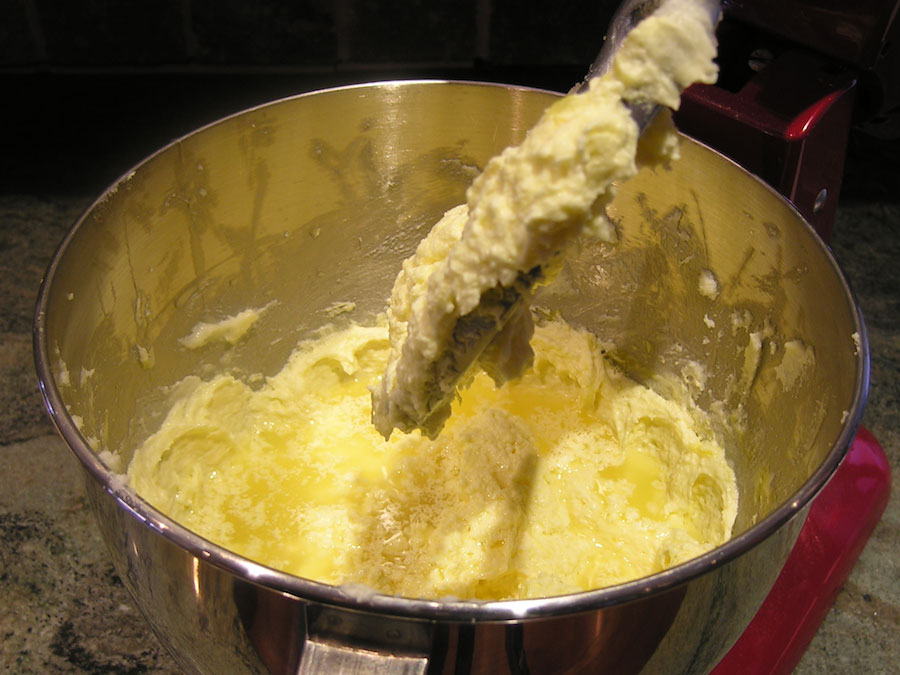
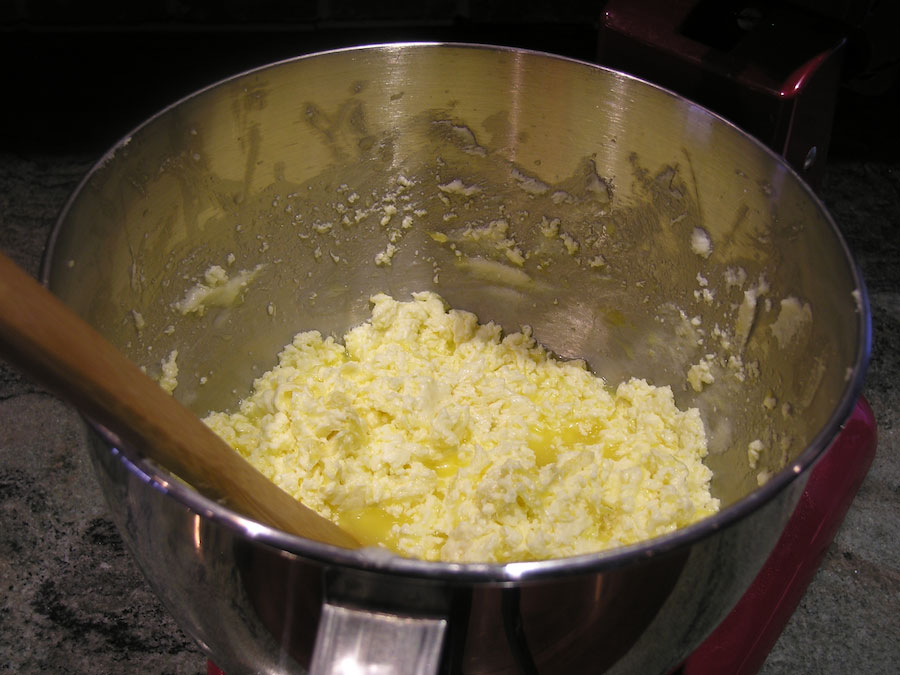
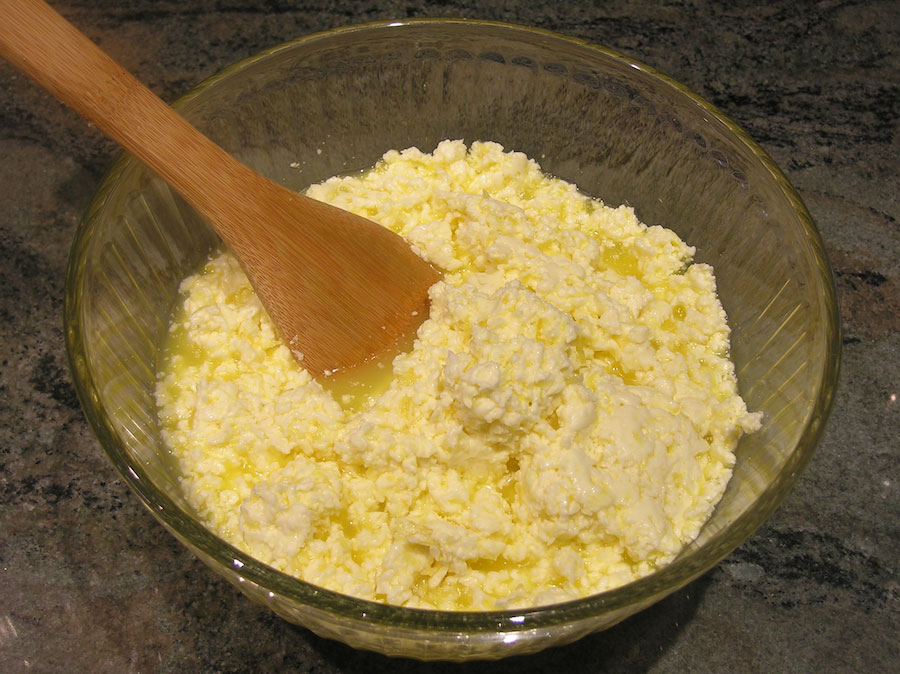
Mix in the finely grated lemon zest, followed by the freshly squeezed lemon juice.
Transfer the mixture to a heat-resistant stainless steel or glass bowl. At this stage, the butter and liquid may appear separated. The mixture will come together as the butter melts during cooking.
Cook the Lemon Curd
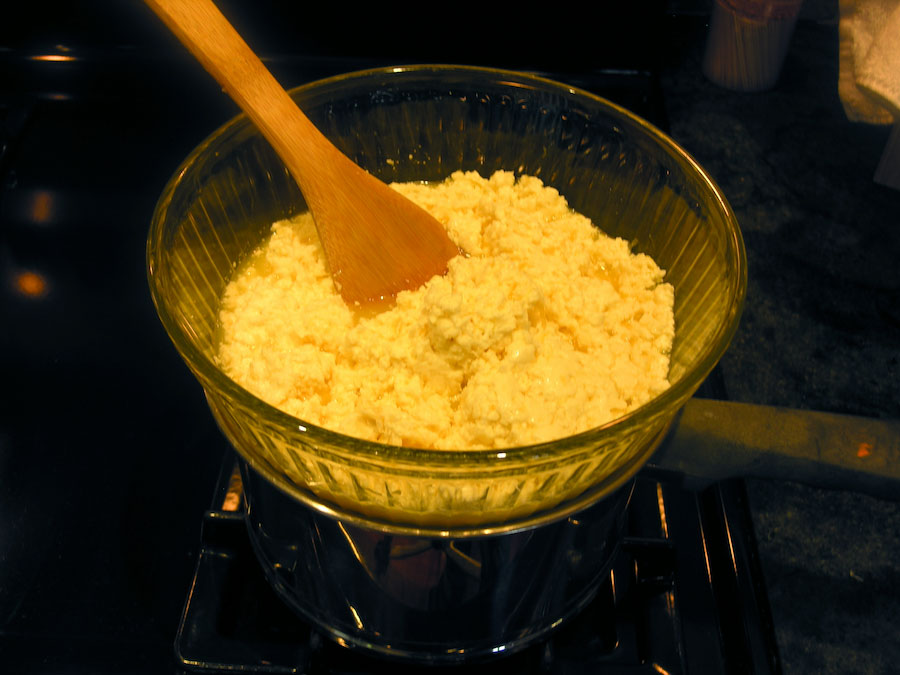

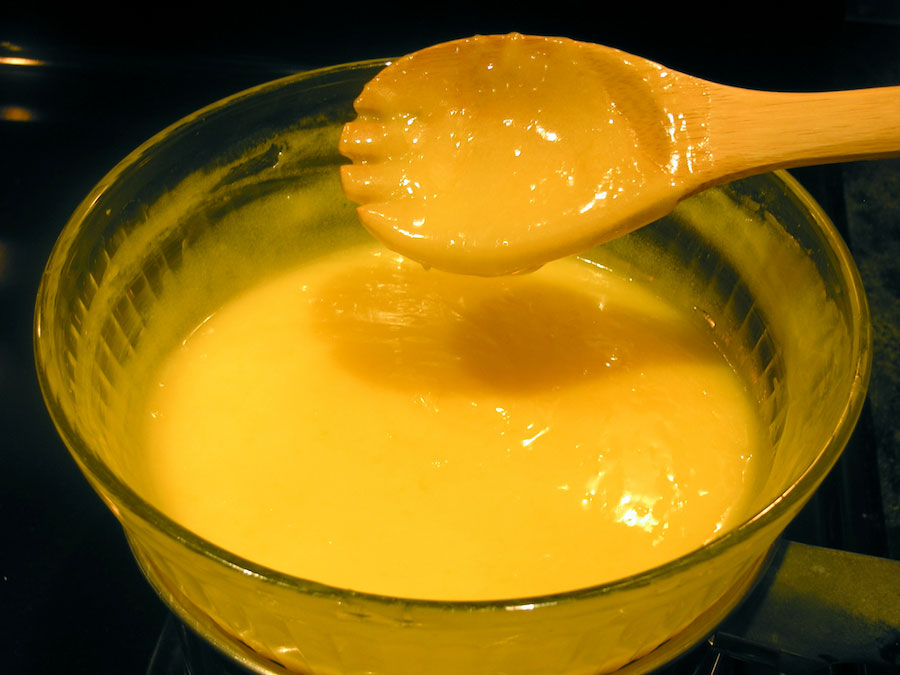
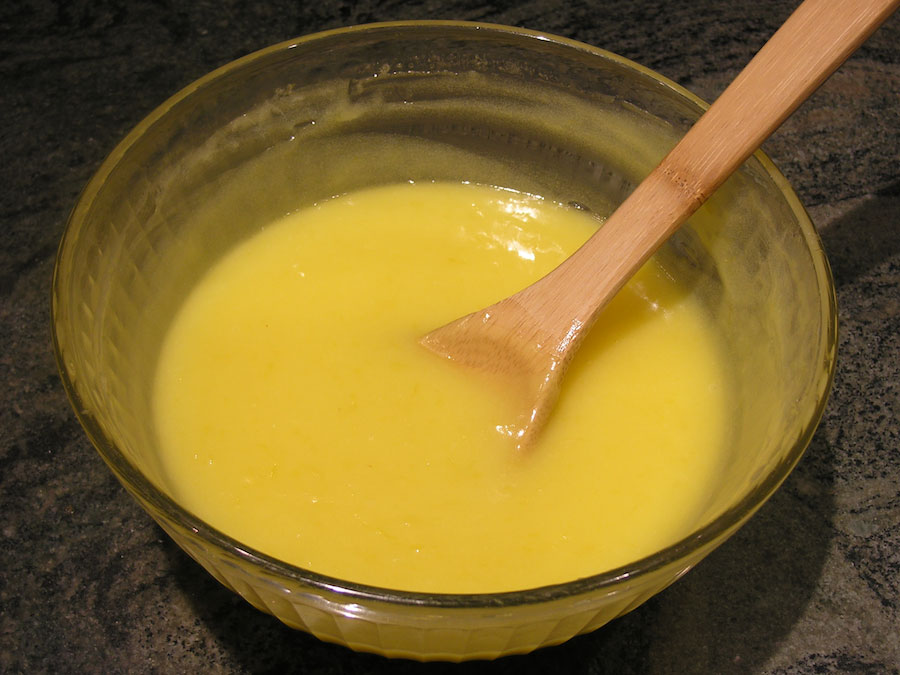
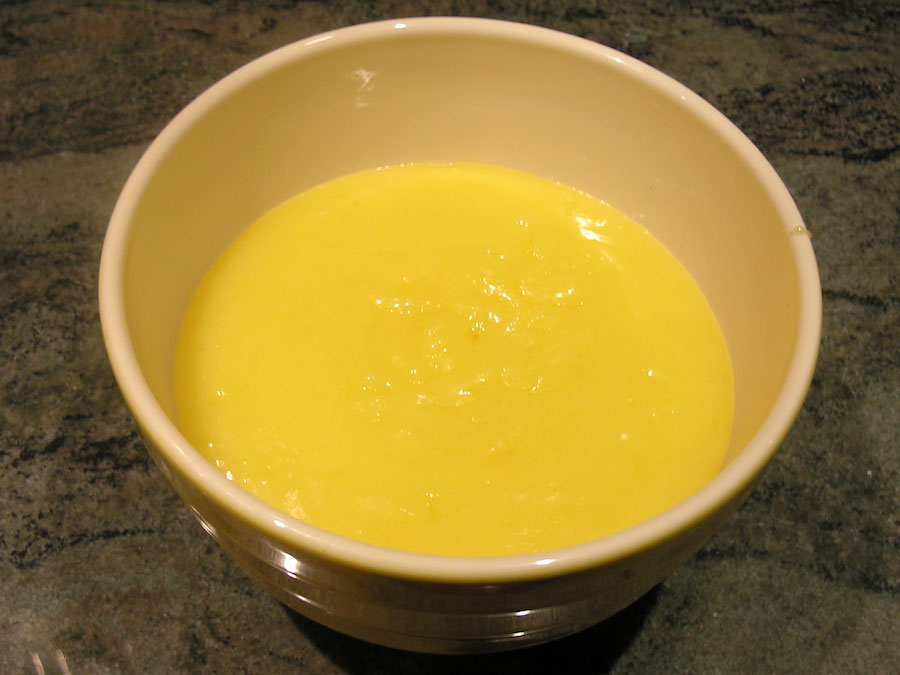

Set the bowl over a saucepan of gently simmering water. The bottom of the bowl should not touch the water.
Cook while stirring constantly, scraping the bottom and sides of the bowl so the eggs heat evenly.
The mixture will first become smooth as the butter melts, then gradually thicken. Cook until it coats the back of a spoon and reaches approximately 170°F to 175°F (77°C to 79°C).
Do not allow the curd to boil. Excessive heat can cause the eggs to curdle and the mixture to separate.
Cooking time can range from approximately 10 to 30 minutes depending on the bowl, water temperature and quantity. Stainless steel conducts heat more efficiently than glass.
Avoid reactive aluminum or unlined copper bowls because the lemon acid can react with the metal and affect the color and flavor.
Cool and Store the Curd
For an especially smooth result, pour the finished curd through a fine-mesh strainer into a clean container.
Press plastic wrap directly against the surface to prevent a skin from forming. Refrigerate until completely cold before using.
The curd will continue to thicken as it cools.
Homemade Lemon Curd
A smooth, intensely flavored lemon curd made with fresh juice, zest, eggs, sugar and butter.
Ingredients
- 12 ounces granulated sugar (340 grams)
- 6 ounces unsalted butter, softened (170 grams)
- 4 large eggs
- 3/4 cup freshly squeezed lemon juice (180 milliliters)
- Finely grated zest of 4 lemons
Instructions
- Prepare the water bath. Bring a small amount of water to a gentle simmer in a saucepan.
- Cream the butter and sugar. Using a mixer fitted with the paddle attachment, beat them together until light and fluffy.
- Add the eggs. Mix them in slowly, one at a time, until incorporated.
- Add the zest. Mix in the finely grated lemon zest.
- Add the juice. Slowly mix in the freshly squeezed lemon juice.
- Transfer the mixture. Pour it into a heat-resistant stainless steel or glass bowl.
- Set up the water bath. Place the bowl over the gently simmering water without allowing it to touch the water.
- Cook the curd. Stir constantly, scraping the bottom and sides of the bowl.
- Check for doneness. Continue cooking until the curd coats the back of a spoon and reaches 170°F to 175°F (77°C to 79°C).
- Remove from the heat. Do not let the curd boil.
- Strain if desired. Pour the curd through a fine-mesh strainer for the smoothest texture.
- Cover the surface. Transfer it to a clean container and press plastic wrap directly against the curd.
- Chill. Refrigerate until completely cold before using.
Recipe Notes
- The original ingredient list stated “1/4 cups” of lemon juice while also giving 180 milliliters. Since 180 milliliters equals approximately 3/4 cup, the cup measurement has been corrected.
- The original instructions directed the curd to be brought to a boil. Lemon curd should instead be cooked gently to approximately 170°F to 175°F to reduce the risk of curdling.
- Use freshly squeezed lemon juice rather than bottled juice for the brightest flavor.
- Grate only the yellow portion of the lemon peel. The white pith underneath is bitter.
- The uncooked mixture may look separated after the lemon juice is added. This is normal.
- Stir continuously and scrape the bottom and sides of the bowl while cooking.
- Use stainless steel, glass or another nonreactive bowl.
- Straining removes any small pieces of cooked egg and some of the zest.
- The curd will be relatively loose while warm and will thicken significantly as it chills.
- Cover the surface directly to prevent a skin from forming.
- Store the curd in a clean airtight container in the refrigerator and use it within approximately one week.
- For longer storage, freeze the curd in an airtight container and thaw it in the refrigerator.
Lemon Curd FAQs
What is lemon curd?
Lemon curd is a rich citrus spread made by cooking lemon juice, zest, eggs, sugar and butter until thickened.
What can lemon curd be used for?
Use it to fill cakes, cupcakes, tarts and pastries, or serve it with scones, toast, pancakes, yogurt or ice cream.
Why did my lemon curd look separated before cooking?
The lemon juice does not blend smoothly with the solid butter at first. The mixture should emulsify as the butter melts over the heat.
How do I know when lemon curd is finished?
It should coat the back of a spoon and hold a clear line when a finger is drawn through it. A thermometer should read approximately 170°F to 175°F.
Why should lemon curd not boil?
Boiling can cause the egg proteins to tighten too quickly, producing lumps or a separated texture.
Why is my lemon curd lumpy?
It may have cooked too quickly or without enough stirring. Passing it through a fine-mesh strainer can remove small lumps.
Why is my lemon curd too thin?
It may not have reached the proper temperature, or it may still be warm. Lemon curd thickens considerably after refrigeration.
Why did my lemon curd turn metallic or discolored?
The acidic lemon juice may have reacted with aluminum, unlined copper or another reactive metal.
Can bottled lemon juice be used?
It can work, but freshly squeezed juice generally produces a fresher, more complex lemon flavor.
Can I make curd with other citrus fruits?
Yes. Lime, orange, grapefruit or combinations of citrus can be used, although the sugar may need adjustment.
How long does homemade lemon curd keep?
Store it in a clean airtight container in the refrigerator and use it within approximately one week.
Can lemon curd be frozen?
Yes. Freeze it in an airtight container with room for expansion, then thaw it overnight in the refrigerator and stir before using.
What equipment do I need for this recipe?
Recommended equipment: Paddle attachment (opens Amazon in a new tab), Saucepan (opens Amazon in a new tab), Fine-mesh sieve (opens Amazon in a new tab).
As an Amazon Associate, I earn from qualifying purchases.
What is the estimated nutrition per cup?
Estimated nutrition per cup: Calories: 1410 calories; Carbohydrates: 170.8 g; Protein: 13.4 g; Fat: 78.4 g; Saturated Fat: 46.8 g; Unsaturated Fat: 28.8 g; Trans Fat: 2.8 g; Cholesterol: 555 mg; Sodium: 153 mg; Fiber: 0 g; Sugar: 170.5 g.


 Jeff’s Baking Blog