

Swiss Meringue Buttercream (2)
This Swiss meringue buttercream is made by heating egg whites and sugar, whipping them into a glossy meringue and gradually blending in softened butter and margarine.
The result is smoother, lighter and less sweet than a traditional powdered-sugar buttercream. It works well for frosting cakes, piping decorations and filling cupcakes.
The complete recipe and detailed instructions are at the end of this post. You will need unsalted butter, soft vegetable margarine, egg whites, granulated sugar and vanilla extract.
Combine the Butter and Margarine
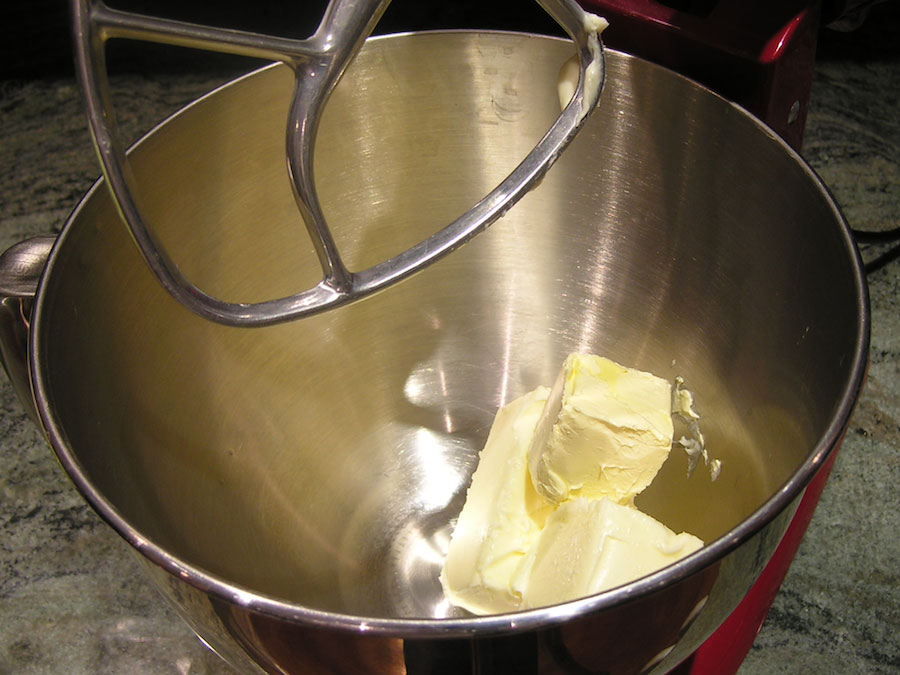
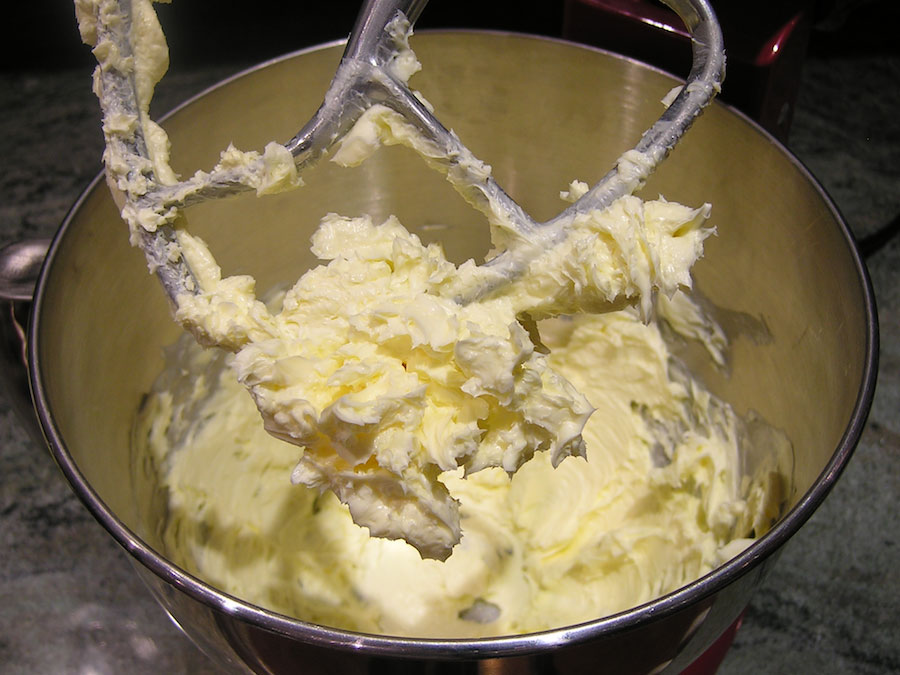

Beat the room-temperature butter and margarine together until completely smooth. Keep the mixture at room temperature while preparing the meringue.
The butter mixture should be soft enough to blend easily into the meringue but not melted or greasy.
Heat the Egg Whites and Sugar
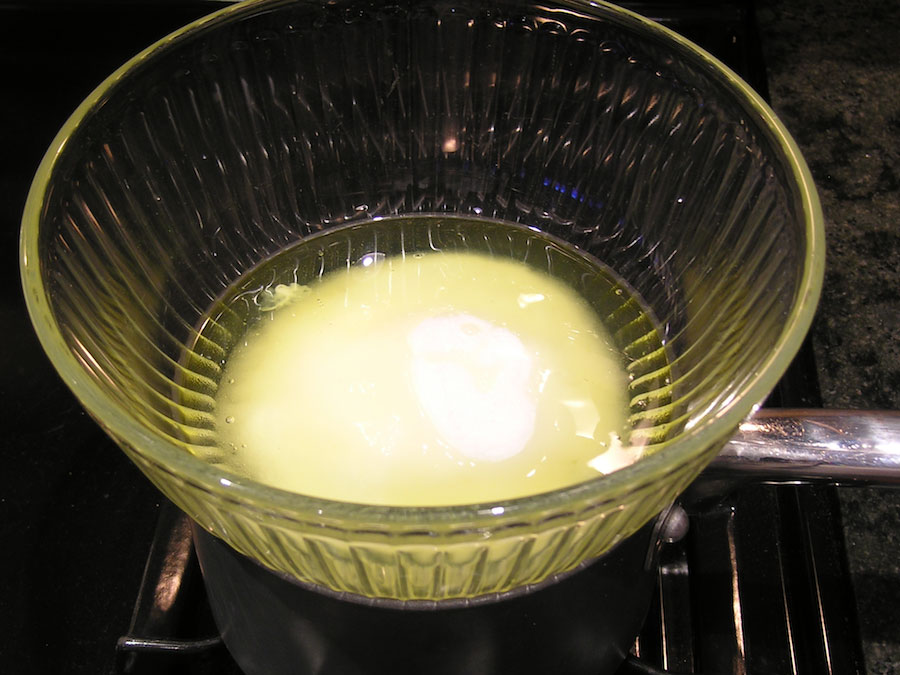
Combine the egg whites and sugar in a clean, heat-resistant mixing bowl.
Set the bowl over a saucepan containing gently simmering water. The bottom of the bowl should not touch the water.
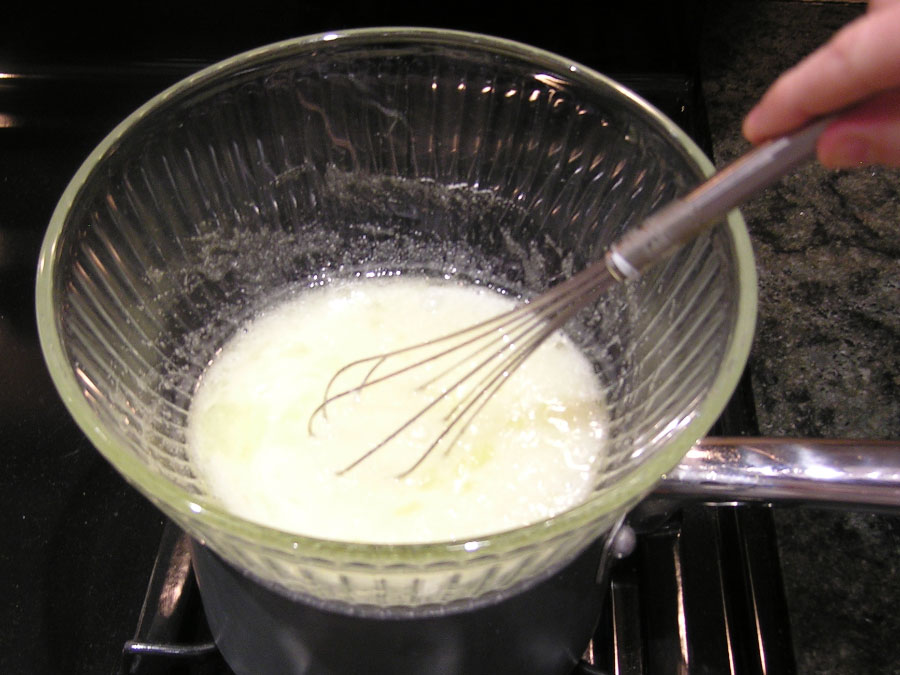
Whisk constantly while heating until the sugar has dissolved and the mixture reaches 160°F (71°C).
Heating while whisking prevents the egg whites from cooking unevenly around the edges. The mixture should feel smooth rather than grainy when rubbed carefully between two fingers.
Whip the Meringue and Add the Butter
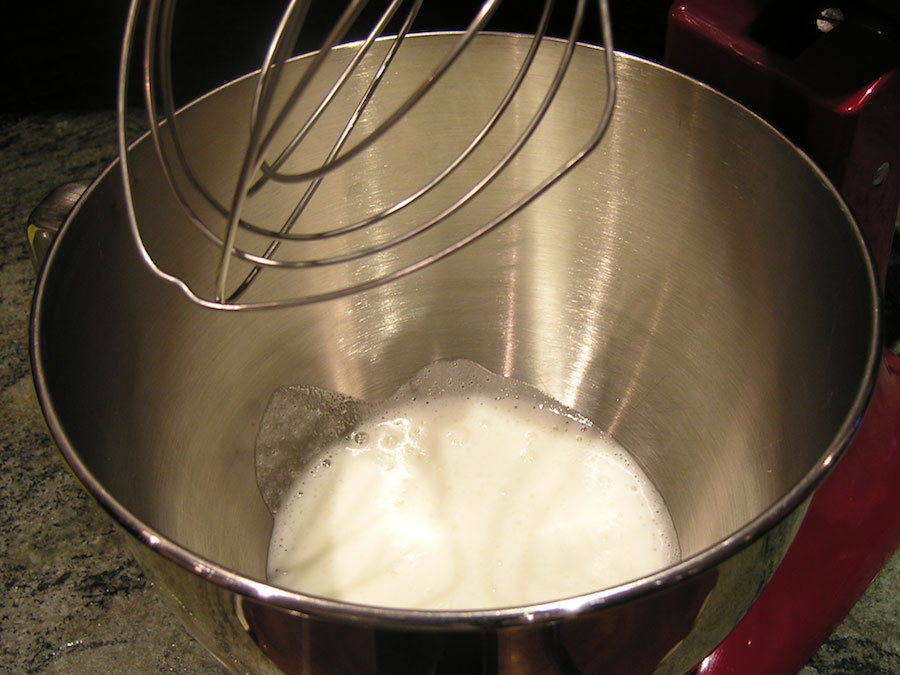


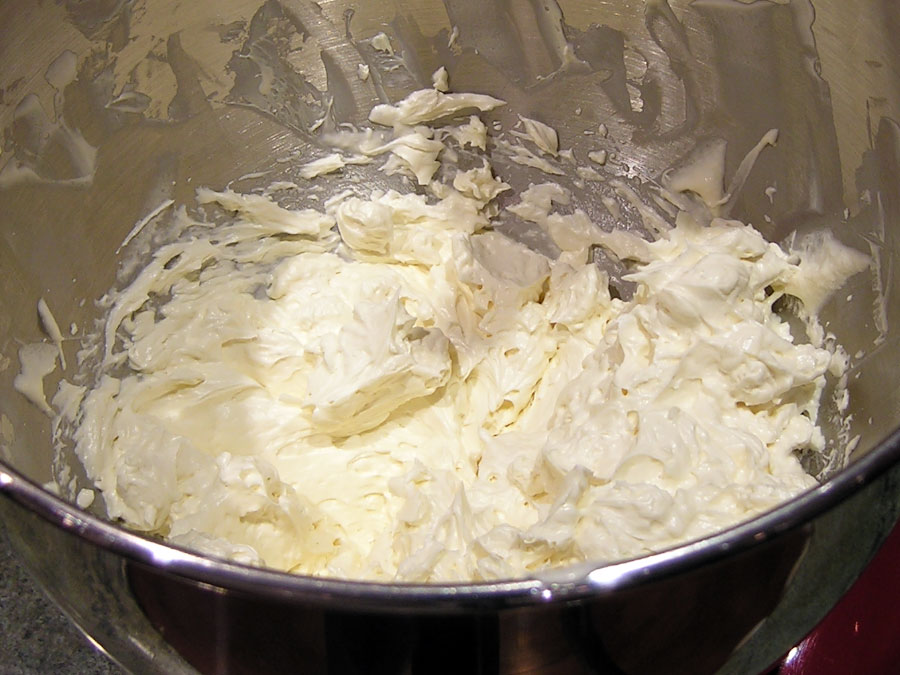
Transfer the bowl to the mixer and whip with the whisk attachment at high speed until the meringue is glossy, holds stiff peaks and has cooled to approximately room temperature.
Lower the mixer speed and add the vanilla.
Add the butter mixture gradually, a small amount at a time. Continue mixing until the buttercream becomes smooth and evenly combined.
The buttercream may briefly look curdled or loose while the butter is being added. Continue mixing before making any adjustments because it will often come together on its own.
Swiss Meringue Buttercream
A smooth, light buttercream made by whipping heated egg whites and sugar before gradually adding softened butter.
Adapted from The Professional Pastry Chef: Fundamentals of Baking and Pastry, 4th Edition.
Ingredients
- 6 1/2 ounces unsalted butter, at room temperature (182 grams)
- 2 ounces soft vegetable margarine, at room temperature (57 grams)
- 3 large egg whites, approximately 96 milliliters
- 6 ounces granulated sugar (171 grams)
- 2 teaspoons vanilla extract (10 milliliters)
- Food coloring or additional flavoring, optional
Instructions
- Combine the fats. Beat the softened butter and margarine together until completely smooth. Keep the mixture at room temperature.
- Prepare the double boiler. Bring a small amount of water to a gentle simmer in a saucepan.
- Combine the whites and sugar. Place the egg whites and granulated sugar in a clean, heat-resistant mixer bowl.
- Heat the mixture. Set the bowl over the simmering water without allowing the bottom to touch the water.
- Whisk continuously. Heat the mixture while whisking until the sugar dissolves and the temperature reaches 160°F (71°C).
- Whip the meringue. Transfer the bowl to the mixer and whip at high speed with the whisk attachment.
- Cool while whipping. Continue until the meringue is glossy, holds stiff peaks and the bowl feels close to room temperature.
- Add the vanilla. Reduce the mixer to low speed and blend in the vanilla extract.
- Add the butter mixture. Gradually add the softened butter and margarine, a small amount at a time.
- Finish the buttercream. Continue mixing until smooth, light and evenly emulsified.
- Adjust if desired. Add food coloring or another flavoring and mix only until incorporated.
Recipe Notes
- The original recipe heated the egg whites to 140°F (60°C). This version uses 160°F (71°C) as a more reliable food-safety endpoint for raw egg whites.
- The original ingredient list stated that 2 teaspoons of vanilla equaled 2 milliliters. Two teaspoons is approximately 10 milliliters.
- Use a completely clean, grease-free bowl and whisk for the egg whites.
- Whisk constantly while the egg whites are over the heat so they do not cook around the edges.
- The sugar should be completely dissolved before the mixture is whipped.
- Let the meringue cool before adding the butter. Warm meringue can melt the butter and make the frosting soupy.
- The butter and margarine should be soft but not melted.
- If the buttercream looks curdled, continue mixing. It often becomes smooth after several minutes.
- If the buttercream is too warm and loose, refrigerate the bowl briefly, then whip it again.
- If the buttercream is cold and lumpy, warm the outside of the bowl gently while continuing to mix.
- The margarine provides additional stability, but it may be replaced with butter for a full-butter version with a slightly softer consistency.
- Refrigerated buttercream should be brought back toward room temperature and rewhipped before use.
Swiss Meringue Buttercream FAQs
What is Swiss meringue buttercream?
It is a frosting made by heating egg whites and sugar, whipping them into meringue and gradually adding softened butter.
How is it different from American buttercream?
Swiss meringue buttercream uses cooked egg whites and granulated sugar rather than powdered sugar. It is smoother, lighter and generally less sweet.
Why are the egg whites heated?
Heating dissolves the sugar, stabilizes the meringue and brings the egg whites to a safer temperature.
How do I know when the sugar has dissolved?
The mixture should feel smooth when rubbed carefully between two fingers, with no noticeable sugar crystals.
Why must the meringue cool before adding butter?
If the meringue is warm, it can melt the butter and produce a thin, greasy frosting.
Why does my buttercream look curdled?
The ingredients may be at slightly different temperatures. Continue mixing because the emulsion often comes together after several minutes.
How do I fix buttercream that is too soft?
Chill the mixing bowl for 10 to 15 minutes, then whip the buttercream again until smooth.
How do I fix buttercream that is too cold?
Warm the outside of the bowl gently with a warm towel or brief heat while continuing to mix.
Can I use only butter?
Yes. Replace the margarine with an equal weight of butter. The finished buttercream may be slightly softer at warm room temperatures.
Can Swiss meringue buttercream be flavored?
Yes. Extracts, melted chocolate, fruit powders, coffee, citrus zest and other concentrated flavorings can be added after the buttercream is smooth.
Can Swiss meringue buttercream be colored?
Yes. Gel food coloring works well because it adds concentrated color without introducing much liquid.
How should Swiss meringue buttercream be stored?
Store it in an airtight container in the refrigerator. Bring it toward room temperature and rewhip it before decorating.
Can Swiss meringue buttercream be frozen?
Yes. Freeze it in an airtight container, thaw it in the refrigerator and then bring it toward room temperature before rewhipping.
What equipment do I need for this recipe?
Recommended equipment: Stand mixer (opens Amazon in a new tab), Whisk attachment (opens Amazon in a new tab), Mixing bowl (opens Amazon in a new tab), Whisk (opens Amazon in a new tab), Saucepan (opens Amazon in a new tab), Double boiler (opens Amazon in a new tab).
As an Amazon Associate, I earn from qualifying purchases.
What is the estimated nutrition per serving?
Estimated nutrition per serving (Entire recipe): Calories: 2181 calories; Carbohydrates: 172.2 g; Protein: 20.5 g; Fat: 161.9 g; Saturated Fat: 98.2 g; Unsaturated Fat: 57.6 g; Trans Fat: 6 g; Cholesterol: 949 mg; Sodium: 235 mg; Fiber: 0 g; Sugar: 171.8 g.


 Jeff’s Baking Blog